The Debrief
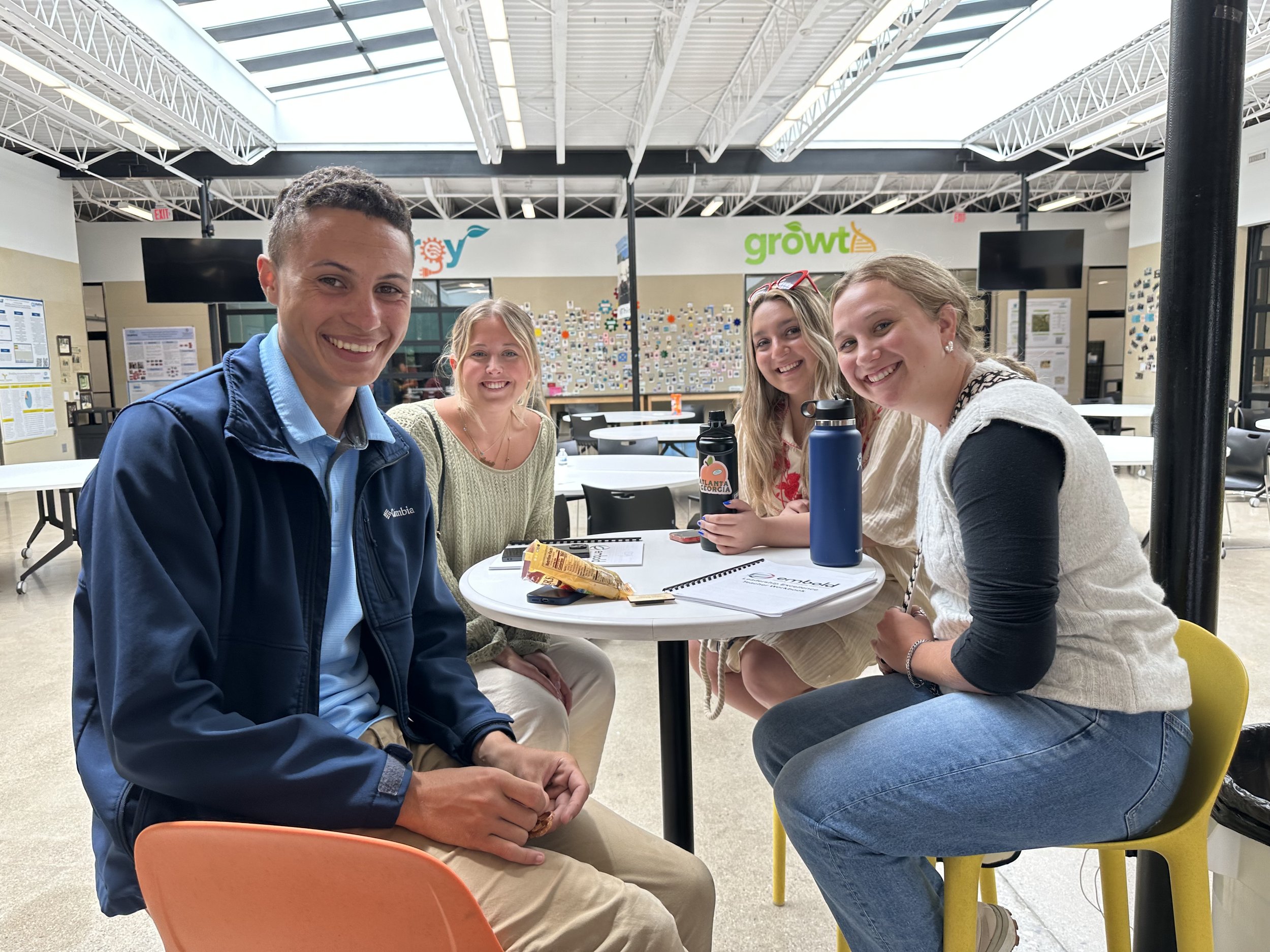
The Leaders of Today team debriefing after one of our summer programs
The Debrief
Why We Always Debrief
At Leaders of Today, we have a lot of traditions.
But there’s one thing we always do that might not seem exciting, but it’s probably one of the most important parts of our entire process:
We debrief.
Every. Single. Time.
Right after the last person walks out the door. Everyone knows we have to stay even after the teardown. Before the buzz wears off and real life kicks back in. We gather together to talk through it all.
Not just what went well.
But what didn’t.
The Truth-Telling Zone
Here’s why I think the debrief matters so much:
When you’re riding the high of a great event, it’s easy to convince yourself everything went perfectly. And when something goes off the rails, even small things, it’s easy to spiral and feel like the whole thing was a mess.
The debrief levels that out.
It gives space for both celebration and critique. And when you make a habit of talking things out while it’s still fresh, you end up seeing things more clearly than you ever could on your own.
I’ve walked into debriefs thinking we just pulled off the greatest event of all time… only to realize there are still a few cracks to patch for next time.
I’ve also walked into them thinking we failed… only to hear stories of students who loved it, people who were impacted, and reminders that even our “off” days still moved the mission forward.
But the biggest reason our debriefs actually work is because we’ve built a culture where it’s safe to be honest.
No one takes it personally when something gets critiqued. That’s not by acciden, it’s something we’ve worked hard to create. We all know we have room to grow, and we trust that feedback is about improving, not attacking. And honestly? Most of the time, there’s way more good than bad. That makes us even more willing to speak up about what didn’t work, because we know it’s not the whole story.
That culture starts with the leader.
In our case, that’s me, and I make it a point to model both. I’ll call out what went wrong, even if it’s uncomfortable. But I’ll also celebrate what someone did right right there in the moment, because:
If you don’t know something went wrong, you can’t fix it.
And if you don’t know something went right, you might accidentally change it.
We tell the truth, not to tear down, but to build something stronger next time.
Write It Down or Lose It
One of our biggest rules: if we don’t write it down, we’ll forget.
We literally keep a running list after every event of what we want to fix, improve, or repeat. It's not glamorous, but it's what helps us actually grow.
What time should food be delivered next time?
How did the session flow feel?
Were there enough signs?
Did the chairs squeak too much again?
Because trust me, if you think you’ll remember it six months from now, you won’t.
These notes become the playbook for the next event. They save us time. They prevent the same mistakes. They keep us honest. And they make us better.
It’s Not Just for Events. It’s for Life.
But here’s the bigger point:
You don’t have to run events to debrief. You just have to care about growth.
You can debrief your day.
Your conversation with your spouse.
The meeting you led.
The way you handled that tough moment at work.
It doesn’t have to be fancy.
Just ask yourself:
What worked?
What didn’t?
What did I learn?
What would I do differently next time?
That’s a debrief.
And it’s one of the most underrated leadership habits out there.
Always Celebrate
Even when the list is long, we always end the debrief with a win.
That might sound cheesy, but it matters.
Sometimes the win is huge: a packed room, new partnerships, students asking when the next one is.
Other times, the win is smaller: we did it. We didn’t cancel. We impacted five more students. We planted a seed.
That still counts.
Because part of building something that lasts is learning how to celebrate progress and critique it at the same time.
Why It Matters
The debrief isn’t just a box to check. It’s how we:
Keep our team grounded
Build a better version of our programs
Teach young leaders how to reflect honestly
And hold ourselves accountable for the next right step
This is leadership in action. And it’s one of the ways we stay focused on the mission, not just the moment.
Action Steps
After your next big moment — pause. Take 10 minutes. What worked? What didn’t? What would you change?
Write it down. Start a “Lessons Learned” doc. Seriously, do it.
Celebrate something. Even if the win is just that you showed up and tried.
Build a future-focused mindset. Don’t let failure defeat you or success distract you.
Make it a habit. You won’t always feel like doing it — but you’ll always be glad you did.
Why I Write
I write these posts as part of my own design cycle — to reflect, learn, and grow as a leader, a husband, and a follower of Jesus. My goal isn’t to sound like I have it all figured out, but to share the stories, lessons, and experiments I experiance long the way.
I believe leadership isn’t just about titles or influence — it’s about how we show up every day. It’s the small choices we make, the way we treat people, and the courage to keep trying even when things don’t go as planned.
I also believe we should dream big — to imagine what could be, not just what is. Every great idea, every movement, every changed life starts with someone who believed it was possible. The design cycle gives us a framework to turn those dreams into something real: plan it, build it, reflect on it, and share it.
Through writing, I hope to help people build the confidence to lead right where they are— to think differently, lead boldly, reflect honestly, and keep trying even when it would be easier to quit. My goal is to remind each of us that leadership doesn’t start someday in the future; it starts right where we are. We’re not leaders of tomorrow — we are Leaders of Today. And in everything I do, my hope is to worship Jesus through the way I live, lead, and love others.
Use what you read here to build your own cycle of growth.
Observe. Reflect. Adjust. Share.
Dream big — and then, start again.